


How to Create a Stylish DIY Fabric Basket for Your Home Decor
- Baylin Bruell
- Jan 19
- 4 min read

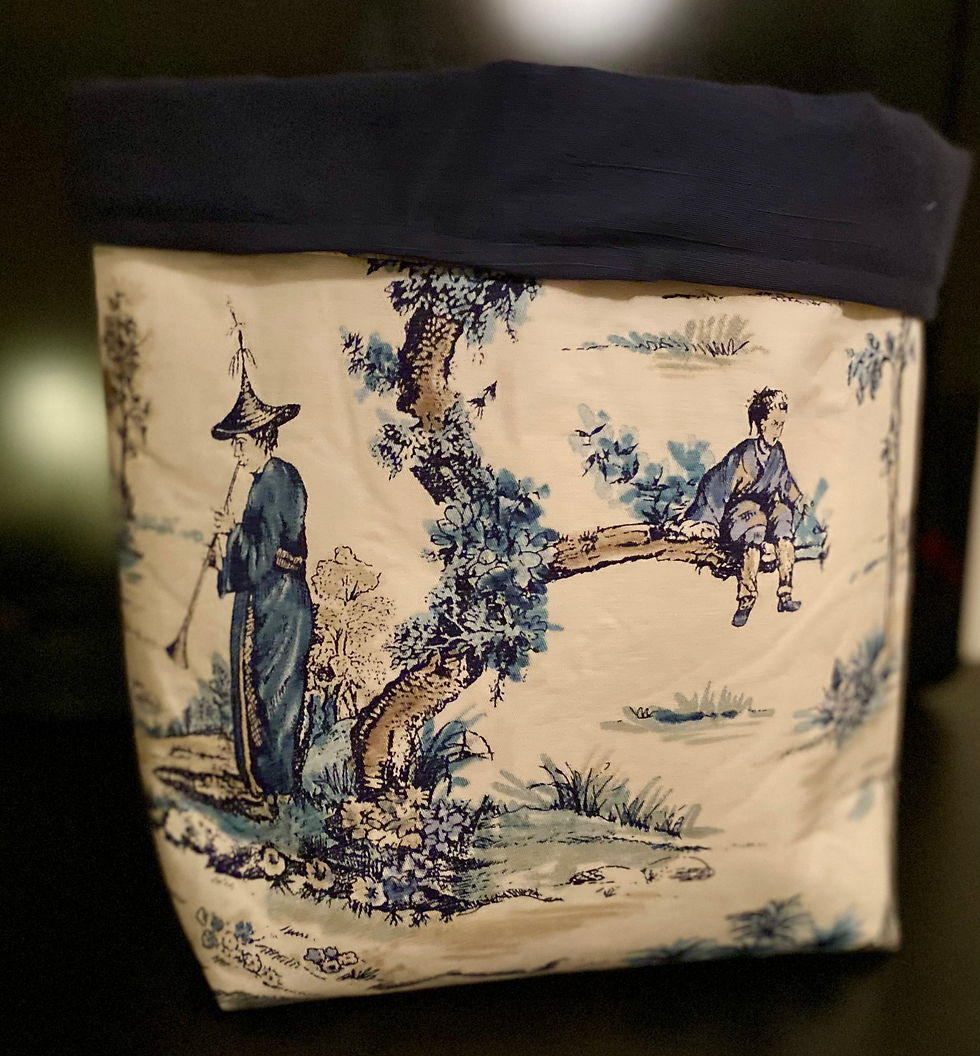
If you’ve ever struggled to find the perfect storage solution that’s both functional and stylish, a DIY fabric basket might be exactly what you need. These fabric baskets offer a charming way to organize your space, and the best part is you can customize them to fit your style and needs. Whether you want to tidy up your craft supplies, store toys, or keep your living room clutter-free, making your own fabric basket is a beginner-friendly sewing project that delivers great results with minimal fuss.
What You’ll Need to Get Started
Before diving into sewing, gather your materials. Here’s a simple list to keep handy:
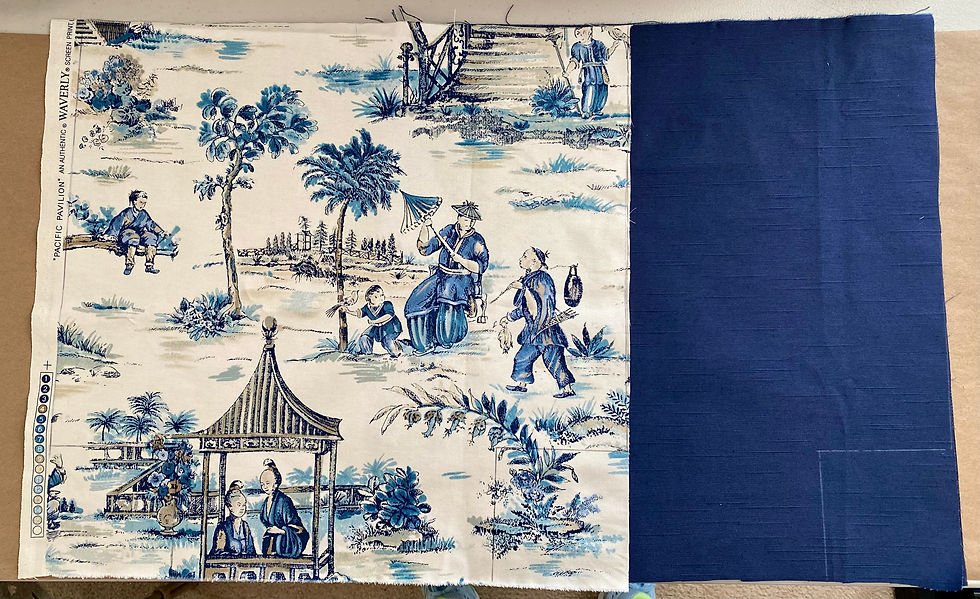
Fabric: Choose a sturdy cotton or canvas for durability. You’ll need two pieces: one for the outer basket and one for the lining.
Fusible fleece: This adds structure so your basket holds its shape.
Thread: Pick a color that matches or contrasts nicely with your fabric.
Sewing machine: While you can sew by hand, a machine speeds up the process.
Scissors, pins, and measuring tape: Basic tools for cutting and assembling.
Optional: Decorative elements like ribbons, buttons, or fabric paint.
Choosing fabrics with patterns or colors that complement your home decor will make your basket a standout piece.

Step-by-Step Guide to Sewing Your Fabric Basket
Cut Your Fabric and Interfacing
Start by cutting two rectangles of fabric and two rectangles of interfacing. A good size for a medium basket is about 18 inches wide by 18 inches tall. Adjust the size depending on what you want to store. For a small desk organizer, try 12" x 12", or go larger at 24" x 24" for a toy basket.
Outer fabric: 18” x 18”
Lining fabric: 18” x 18”
Fusible fleece: 18” x 18” (two pieces)
Attach the fleece to the wrong side of both outer fabric pieces by ironing it on to provide structure to your basket. Make sure to follow the instructions on the fusible fleece packaging.
Create the Basket Corners. Sew the Outer Basket and Lining
To add depth to your basket, measure and cut 4" squares from the bottom corners of both the outer and lining fabric pieces.

Sew the Outer Basket and Lining
Place the outer fabric pieces with the right sides facing each other, and sew along the sides and bottom using a 1/2" seam allowance.
Next, pinch and pin the corners where you cut the squares, align the top seam with the bottom seam to create a boxed corner, then pin in place. Repeat this process for the lining fabric. Sew the corner using a 1/2" seam allowance.

Assemble the Basket
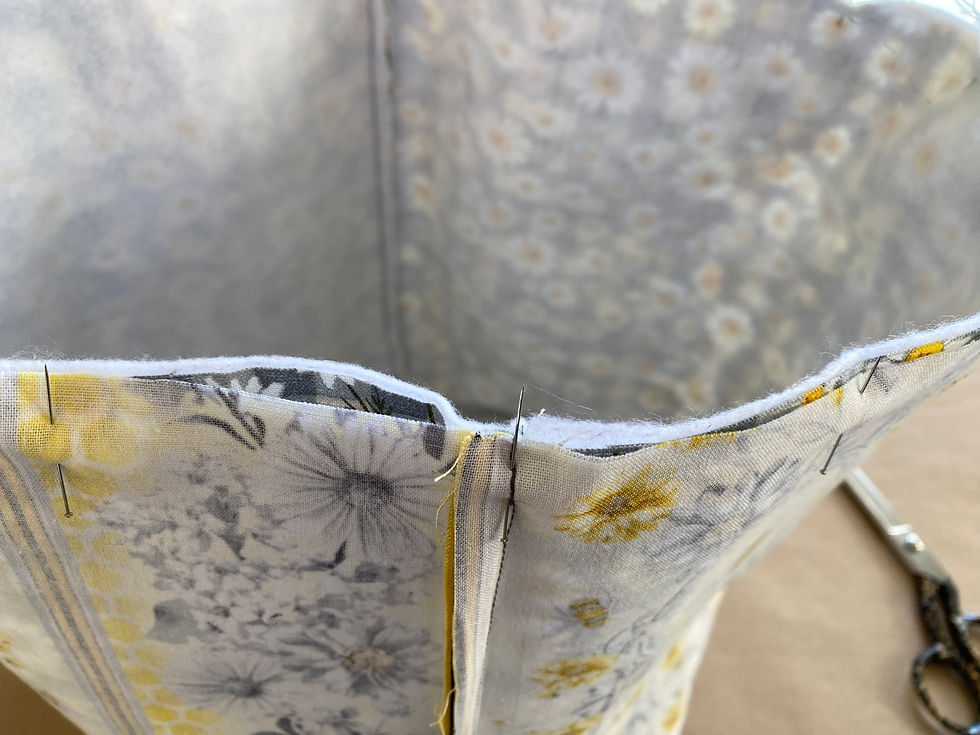
Turn the outer basket to the right side, keeping the lining inside out. Insert the outer basket into the lining so that the right sides are facing each other. Begin by aligning the seams of both the outer basket and the lining, and pin them together. Next, pin along the top edge and sew all around, leaving a 2-3 inch gap for turning.
Turn and Finish
Pull the basket through the gap so both layers are right side out. Push the lining inside the basket and press the top edge flat. Topstitch around the top edge to close the gap and add a finished look.
Tips for Personalizing Your Fabric Basket
Add handles: Sew fabric strips or use leather handles to make carrying easier.
Use contrasting fabrics: A bright lining can add a pop of color when the basket is empty.
Decorate with appliques or embroidery: Add your initials or fun shapes.
Make different sizes: Create a set of baskets for various uses, from small desk organizers to large laundry baskets.
Why Fabric Baskets Are a Great Choice
Fabric baskets are lightweight, washable, and flexible. Unlike rigid containers, they can fit into tight spaces or expand to hold bulky items. Plus, sewing your own means you control the materials and design, making it a perfect project for sewers of all levels that’s rewarding and practical.

Creating your own fabric baskets is a rewarding way to combine functionality with personal style. Whether you make one for yourself or as a thoughtful handmade gift, these versatile baskets will brighten up any space while keeping clutter at bay. Don't be afraid to experiment with bold patterns, mix-and-match fabrics, or try different sizes for various storage needs. With just a few basic sewing skills and some creativity, you can transform simple fabric into beautiful, practical home decor. What will you store in your first basket?


Comments