


Reconnect with Nature The Benefits of Hiking as a Family in Our Distracted World
- Baylin Bruell
- Jun 9
- 12 min read

In today’s fast-moving world, families are constantly navigating a myriad of distractions, from the incessant notifications of smartphones to the demands of work and school schedules that seem to grow busier by the day. With each family member often caught up in their own activities, finding quality time to connect and prioritize health can feel like a significant challenge. Amidst this chaos, hiking emerges as a remarkably simple yet profoundly impactful way to bring families together, improve physical health, and deepen interpersonal bonds, all while immersing themselves in the serene beauty of nature. This post delves into the multifaceted benefits of hiking, illustrating how it not only supports family health but also encourages a more purposeful way of living and fosters meaningful connections with the natural world around us.

Hiking Supports Physical Health for All Ages
Hiking is a low-impact exercise ideal for all ages and fitness levels, making it perfect for families. It offers a way to bond while connecting with nature. Families can choose trails that match their skill levels, ensuring comfort and safety. Hiking strengthens muscles by engaging various groups like the legs, core, and upper body, enhancing overall fitness. It also improves cardiovascular health by elevating heart rate, reducing blood pressure, and lowering heart disease risk. Additionally, hiking boosts endurance, encouraging a more active lifestyle. For children, hiking develops coordination, balance, and a love for the outdoors, fostering environmental responsibility.
Some key health benefits of hiking include:
Improved heart health: Walking uphill and on uneven terrain boosts cardiovascular health by requiring the heart to pump harder, raising heart rate and enhancing fitness. It strengthens the heart, improves circulation, lowers resting heart rate, and engages various muscles for better tone and endurance. This exercise stimulates the cardiovascular system, helping reduce blood pressure, improve cholesterol levels, and lower heart disease risk. It promotes new blood vessel development, enhancing blood flow and oxygen delivery. Additionally, it releases endorphins, boosting mood and reducing stress, supporting both heart health and mental well-being for a healthier lifestyle.
Stronger Muscles and Bones: Hiking significantly enhances muscle strength and bone density. It engages leg muscles like quadriceps, hamstrings, calf muscles, and glutes, improving lower body strength essential for daily activities and sports. As a weight-bearing exercise, hiking boosts bone density by stimulating bone-forming cells, helping prevent osteoporosis. Incorporating varying terrains and inclines challenges muscles, improves endurance, stability, and strengthens core muscles. Hiking is a comprehensive exercise that strengthens muscles and bones, offering physical benefits while enjoying nature.
Better mental health: is crucial for overall well-being. Outdoor physical activities like walking, running, cycling, or gardening significantly reduce stress and anxiety. Exercising in nature lowers stress hormones, releases endorphins, and enhances mood, strengthening emotional resilience. Regular outdoor exercise reduces depression and anxiety, promotes social interaction, and boosts self-esteem and confidence. In summary, it offers a holistic approach to mental well-being, providing immediate and lasting benefits.
Enhanced immune function: Spending time in natural environments like parks and forests strengthens the immune system. Fresh air improves blood oxygenation and reduces respiratory strain. Exposure to diverse microbes trains the immune system, while outdoor activities enhance circulation and reduce inflammation. Sunlight boosts vitamin D, crucial for immune activation, and nature's calming effect lowers stress and cortisol. In summary, nature enhances immunity through better air quality, microbial exposure, physical activity, vitamin D, and stress reduction.
Families can start with easy trails and gradually explore more challenging routes as confidence and stamina grow. Carrying a small backpack with water and snacks teaches responsibility and planning skills.
Hiking Creates Opportunities for Meaningful Family Connection
In a world filled with screens and distractions, where notifications and digital engagements often take precedence over face-to-face interactions, hiking emerges as a refreshing escape that offers a unique opportunity to unplug and reconnect with one another. The rhythmic sounds of nature, such as the rustling leaves, chirping birds, and the gentle flow of a nearby stream, create an inviting backdrop that encourages families to step away from their devices and immerse themselves in the beauty of the outdoors. This serene environment fosters a sense of tranquility, allowing individuals to let go of the stresses of daily life and truly focus on each other.
As families embark on their hiking adventures, they can engage in meaningful conversations that might otherwise be overshadowed by the fast pace of modern life. The shared experience of navigating trails, overcoming challenges, and exploring new landscapes provides a rich tapestry for storytelling. Parents can share anecdotes from their own childhoods, while children can express their thoughts and feelings about the world around them, leading to deeper understanding and connection. The absence of everyday distractions enables each family member to listen deeply, fostering empathy and strengthening bonds in ways that are often difficult to achieve in the hustle and bustle of urban life.
Ways hiking fosters connection include:
Shared goals: Reaching a summit or scenic viewpoint together fosters teamwork, collaboration, and a sense of accomplishment. Tackling challenging trails, individuals test limits and rely on each other for support and motivation, building unique bonds. Each step reflects collective determination, enhancing communication and trust. The journey becomes a metaphor for overcoming life's challenges, with shared struggles and triumphs creating lasting unity. Celebrating success as a group underscores the value of collaboration in achieving milestones. Ultimately, climbing towards a shared goal deepens understanding of teamwork, impacting personal relationships and future collaborations.
Quality conversations: Walking side by side improves dialogue by creating a relaxed atmosphere and reducing intimidation from direct eye contact. This setting eases tension, fosters camaraderie, and promotes equality. Outdoor environments stimulate creativity and open dialogue, while walking minimizes distractions, enabling genuine exchanges without judgment. It facilitates fluid conversation and evolving ideas, making it effective for resolving conflicts or sensitive topics. The shared activity fosters empathy and understanding, leading to more constructive dialogue.
Building traditions: Regular hikes enhance physical well-being and create lasting family rituals, strengthening bonds. Each hike offers opportunities to connect, share experiences, and build shared stories. Scheduled hikes become anticipated events, fostering unity through fun and adventure. Whether weekly, monthly, or annually, these outings promote belonging and tradition. Tailored for all family members, hikes encourage participation and contribution from everyone. Facing challenges together strengthens bonds and promotes meaningful conversations away from daily distractions. More than exercise, hiking builds traditions that nurture relationships and create a lasting family legacy.
Encouraging empathy: Immersing in nature helps families appreciate patience and resilience by witnessing ecosystems' balance and adaptability. Observing nature, like trees shedding leaves or birds building nests, teaches perseverance and empathy for life's challenges. Experiencing nature's trials, such as storms or human impacts, prompts reflection on resilience and conservation. Shared experiences in nature strengthen family bonds and foster empathy, encouraging communication and support. Ultimately, observing nature nurtures a profound sense of empathy, enhancing understanding of life's challenges and reinforcing compassion in relationships.
Parents can use hiking time to teach children about local plants, animals, and environmental stewardship, deepening their connection to the natural world and each other.

Hiking Encourages Living with Intention and Mindfulness
Hiking encourages families to slow down and be present, offering a refreshing break from modern life's distractions like technology and work. Immersed in nature's diverse landscapes, families experience mindfulness often missing in urban settings. As they explore trails, the sights, sounds, and scents of nature—like rustling leaves and chirping birds—enhance their connection to the environment and each other. Without screens to distract, conversations flow freely, fostering deeper bonds. Each step on the trail becomes a chance to appreciate small wonders, promoting a sense of gratitude. Hiking also provides enjoyable physical activity, building strength and endurance while contrasting with the rushed pace of daily life. Ultimately, hiking reminds families of the value of slowing down, being present, and connecting with nature and each other.
Benefits of mindful hiking include:
Enhanced Connection with Nature: Mindful hiking encourages individuals to immerse themselves in their surroundings, fostering a deeper appreciation for the natural world. As hikers pay attention to the sights, sounds, and smells of the environment, they cultivate a sense of wonder and curiosity about the ecosystems they traverse. This heightened awareness can lead to a more profound connection with nature, promoting feelings of gratitude and respect for the environment.
Improved Mental Health: Engaging in mindful hiking has been shown to reduce symptoms of anxiety and depression. The combination of physical activity and the calming effects of nature can lead to improved mood and emotional well-being. By focusing on the present moment and the sensations of hiking, individuals can experience a mental reset, allowing them to let go of stressors and worries that may be plaguing them in their daily lives.
Increased Physical Fitness: Hiking itself is an excellent form of exercise that can improve cardiovascular health, strengthen muscles, and enhance overall physical fitness. When combined with mindfulness practices, hikers can enjoy the physical benefits while also being aware of their body’s movements, breathing patterns, and the sensations experienced during the hike. This mindful approach can lead to better physical performance and a greater understanding of one’s body.
Enhanced Focus and Concentration: Mindful hiking requires individuals to concentrate on their movements and the trail ahead, which can improve overall focus and attention. By practicing mindfulness during the hike, individuals can train their minds to stay present, which can carry over into other aspects of life, enhancing productivity and cognitive function.
Social Connection: Hiking can be a social activity, and practicing mindfulness while hiking with others can deepen relationships. Sharing the experience of being present in nature allows for meaningful conversations and connections. This shared experience can strengthen bonds and foster a sense of community among hikers.
Stress Reduction: The act of hiking in a serene environment can significantly reduce stress levels. Mindfulness encourages individuals to focus on their breath and the rhythm of their steps, which can lead to a meditative state. This practice can help individuals manage their stress effectively, promoting relaxation and a sense of peace.
Personal Growth: Mindful hiking can serve as a catalyst for personal reflection and growth. Being in nature provides a space for introspection, allowing individuals to process their thoughts and feelings. This time spent in solitude or with others can lead to valuable insights about oneself, fostering personal development and a greater understanding of one’s life journey.
Families can practice simple mindfulness techniques during hikes, such as pausing to listen to bird songs or noticing the texture of tree bark. These moments help cultivate calm and presence that carry over into everyday life.
Connecting Deeply with Nature Benefits Families Long-Term
Spending time outdoors is essential for families to build a meaningful relationship with the environment. It fosters appreciation for nature, enhances understanding of ecosystems, and supports physical, emotional, and social well-being. Activities like hiking and biking promote exercise and healthy lifestyles, while exposure to nature boosts immune function and reduces stress. Emotionally, nature reduces anxiety and depression, enhancing mood and family bonding. Socially, outdoor activities connect families with their community, fostering belonging and shared purpose. Participation in community events promotes environmental stewardship and sustainable habits, benefiting both local and global ecosystems. Overall, spending time outdoors helps families develop a lasting commitment to the environment, supporting well-being and sustainability.
Long-term benefits of nature connection include:
Enhanced Mental Health:
One of the most significant long-term benefits of connecting with nature is the enhancement of mental health. Regular exposure to natural environments has been linked to reductions in anxiety, depression, and stress levels. Studies show that spending time outdoors can lead to improved mood and emotional well-being, as the calming effects of nature help to lower cortisol levels, the hormone associated with stress. Moreover, the tranquility found in natural settings can provide a much-needed respite from the fast-paced, often overwhelming demands of modern life, allowing individuals to recharge and gain perspective.
Better sleep:
Natural light regulates sleep cycles by synchronizing circadian rhythms. Sunlight increases melatonin, signaling rest, and daytime hiking enhances this, improving sleep quality. Physical activity from hiking boosts mood and energy, aiding restful sleep. Regular hiking helps individuals, especially children and adolescents, fall asleep faster and achieve deeper sleep. It also reduces stress and anxiety by lowering cortisol levels. Therefore, the combination of natural light, exercise, and a serene environment makes hiking ideal for restorative sleep and overall well-being.
Increased Creativity and Cognitive Function
Nature connection has also been linked to increased creativity and cognitive function. Studies suggest that spending time in natural settings can lead to improved problem-solving skills and enhanced creativity. The restorative effects of nature allow the mind to relax and reset, which can foster innovative thinking and better decision-making. This cognitive boost can be particularly beneficial for individuals in high-stress professions or those engaged in creative pursuits, as it can lead to more effective brainstorming and idea generation.
Enhanced Social Connections
Engaging with nature often encourages social interactions, which can lead to stronger community ties and friendships. Participating in group outdoor activities, such as gardening, hiking clubs, or conservation efforts, fosters a sense of belonging and shared purpose. These social connections are vital for emotional support and can significantly enhance overall life satisfaction. Over time, these relationships built around a mutual appreciation for nature can create a network of support that contributes to a healthier, more fulfilling life.
Increased Environmental Awareness and Stewardship
Finally, a long-term connection with nature fosters a greater awareness of environmental issues and a sense of responsibility towards the planet. Individuals who regularly engage with natural environments are more likely to develop a deep appreciation for the earth and its ecosystems. This connection can lead to increased advocacy for conservation efforts and sustainable practices, encouraging individuals to take action to protect the environment for future generations. This sense of stewardship not only benefits the planet but also instills a sense of purpose and fulfillment in individuals, enhancing their overall well-being.
Families can strengthen their connection with each other and the environment by joining local conservation projects or nature clubs. These activities foster bonds through shared experiences and community involvement. Volunteering for tree-planting or clean-up events allows families to contribute to reforestation and discuss environmental stewardship. Nature clubs provide educational programs on ecosystems and sustainability, enhancing appreciation for natural spaces. Engaging in these activities connects families with like-minded individuals, creating a supportive conservation network. These experiences instill responsibility for the earth in children, ensuring a lasting legacy for future generations.
Practical Tips for Starting Family Hiking Adventures
Getting started with family hiking is easier than it seems, and it can be a rewarding experience for everyone involved. Engaging in outdoor activities not only promotes physical health but also strengthens family bonds and encourages a love for nature. Here are some comprehensive tips to make your family outings enjoyable, safe, and memorable:
Choose the Right Trail
When selecting a hiking trail for your family, consider the fitness levels and ages of all participants. Look for trails that are well-marked and have varying levels of difficulty. Beginners may prefer flat, shorter trails that offer beautiful scenery without overwhelming challenges. National parks and local nature reserves often provide family-friendly options. Additionally, researching the trail ahead of time can help you understand the terrain, estimated hiking time, and any potential hazards.
Prepare Properly
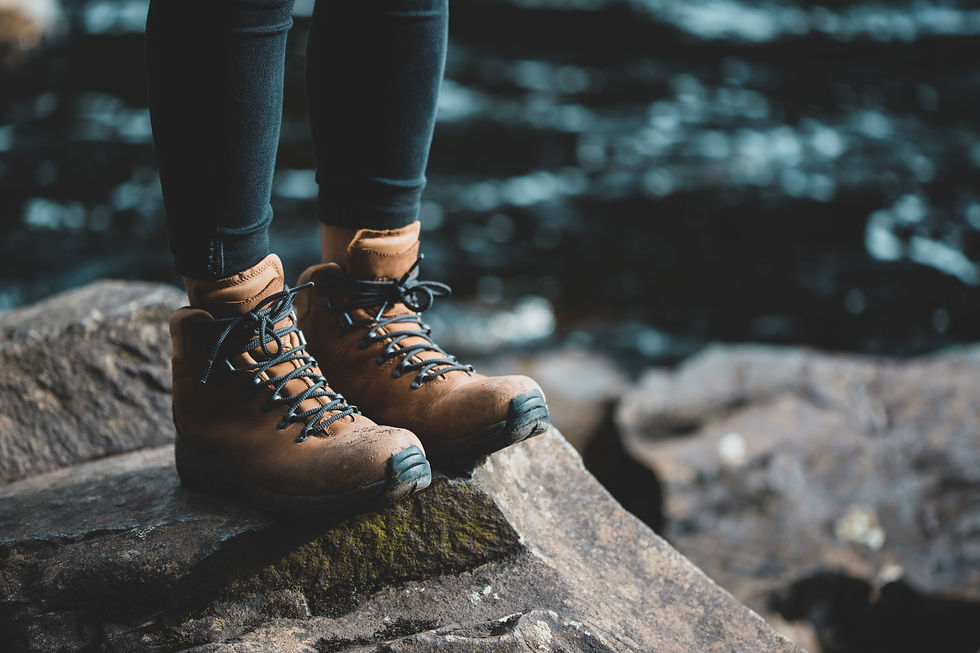
Preparation is key to a successful hiking trip. Ensure that everyone in the family has the appropriate gear, including sturdy hiking shoes, weather-appropriate clothing, and a backpack to carry essentials. Packing enough water and snacks is crucial; consider bringing energy-boosting snacks like trail mix, fruit, or granola bars. A first aid kit is also an important addition to your supplies, as it can help you quickly address minor injuries or ailments that may arise during your hike.
Involve the Whole Family in Planning
Involving your family in the planning process can increase excitement and anticipation for the hike. Discuss the destination and what everyone hopes to see or do along the way. Children may enjoy learning about the flora and fauna they might encounter, so consider incorporating educational elements into your hike. This could include identifying different types of plants, observing wildlife, or even taking part in a scavenger hunt to keep everyone engaged and entertained.
Set a Comfortable Pace
During the hike, it’s important to maintain a pace that is comfortable for all family members. Remember that younger children may need more frequent breaks, while older family members might have different stamina levels. Encourage everyone to listen to their bodies and take breaks when needed. Use these pauses to hydrate, enjoy the scenery, and take photos. This not only helps to prevent fatigue but also allows everyone to appreciate the natural beauty around them.
Teach Safety and Leave No Trace Principles
Safety should always be a priority when hiking with family. Before you set out, discuss important safety tips, such as staying on the marked trails, watching out for uneven ground, and being aware of wildlife. Additionally, teaching your family about Leave No Trace principles can foster a sense of responsibility towards the environment. Emphasize the importance of leaving nature as you found it, which includes packing out all trash, respecting wildlife, and staying on designated paths.
Enjoy the Experience
Finally, remember that hiking is not just about reaching the destination; it’s about enjoying the journey together as a family. Take time to appreciate the small moments, whether it’s spotting a unique bird, enjoying a stunning view, or simply sharing stories along the way. These experiences can create lasting memories and instill a love for the outdoors in your children. After your hike, consider discussing what everyone enjoyed most and what they might like to do on future outings.
Thoughtful preparation can help families foster a lifelong love of hiking through positive experiences. Key aspects include selecting the right trail based on participants' skill levels and ages, ensuring it's manageable yet captivating. Proper gear is crucial for comfort, such as sturdy footwear and weather-appropriate clothing. Essential supplies like water, snacks, a first-aid kit, and navigation tools should be packed, with children involved to boost engagement and responsibility.
Enhancing the hike with themes or activities, like wildlife observation or scavenger hunts, can make it more enjoyable and memorable. Maintaining a positive attitude and embracing unexpected events, such as weather changes or trail challenges, teaches resilience and humor. By preparing thoughtfully, families can create lasting memories and instill a passion for the outdoors.
Conclusion
In a world where distractions often pull families apart, hiking offers a simple yet profound way to reconnect, prioritize health, and embrace the beauty of the natural world. From improving physical and mental well-being to fostering meaningful connections and mindfulness, hiking provides countless benefits that extend far beyond the trail. By stepping away from screens and into nature, families can create lasting memories, build traditions, and nurture a deeper appreciation for the environment. So, lace up your hiking boots, gather your loved ones, and embark on an adventure that strengthens bonds, revitalizes the spirit, and inspires a more intentional way of living. The trail is waiting—let it lead you to a healthier, happier, and more connected family life.


Comments