


Menopause Weight Loss Made Easier with Strength Training, Cardio, and Better Recovery

This shift is real. During perimenopause and menopause, estrogen and progesterone decline and fluctuate. Those hormonal changes can affect where the body stores fat, how well it builds and keeps muscle, how insulin works, how sleep feels, and how the nervous system responds to stress. Many people notice more abdominal weight gain, less strength, and a slower recovery after workouts.
The answer is not to punish the body with extreme dieting or endless cardio. A better approach is to train in a way that protects muscle, supports bone, improves heart health, and lowers stress load. That means combining strength training, smart cardio, enough protein, and recovery practices that help the body adapt.
This article is informational only and is not a substitute for medical advice. Anyone with osteoporosis, heart disease, unexplained pain, pelvic floor symptoms, or a major medical condition should check with a qualified clinician before changing exercise intensity.

Menopause changes the weight-loss equation
Weight loss during menopause is not just about calories. Energy balance still matters, but the body’s response to food, exercise, sleep, and stress can change.
Estrogen plays a role in muscle, bone, blood vessels, insulin sensitivity, and fat storage. As estrogen declines, the body may become more likely to store fat around the abdomen. At the same time, age-related muscle loss can lower resting energy needs. Less muscle means the body may burn fewer calories at rest, even if body weight stays the same.
Progesterone changes can also affect sleep, temperature regulation, and mood. Poor sleep can raise hunger, lower motivation to move, and make cravings stronger. Research has repeatedly linked short or disrupted sleep with weight gain risk, partly through changes in appetite hormones and stress signaling.
The main goal during this stage is to improve body composition. That means building or preserving lean muscle while reducing excess body fat when needed. The scale can be useful, but it does not tell the whole story. A person can lose inches, gain strength, improve blood pressure, and feel better before the scale changes much.
Fitness helps because it targets several menopause-related concerns at once:
Muscle preservation
Resistance training gives muscles a clear reason to stay strong. This matters because muscle loss tends to speed up with age unless the body receives enough training stimulus.
Bone protection
Weight-bearing exercise and resistance training place healthy stress on bones. The National Institutes of Health and major bone health organizations consistently recommend weight-bearing and muscle-strengthening activity as part of bone health care.
Cardiovascular support
Aerobic activity improves heart and blood vessel function. This becomes more important after menopause because cardiovascular risk rises with age and hormonal change.
Mood and mental wellbeing
Exercise can reduce anxiety symptoms, support depressive symptoms, and improve sleep quality for many people. The effect is not magic. It comes from changes in circulation, nervous system regulation, confidence, and routine.
Mobility and flexibility
Strength without mobility can feel stiff. Mobility without strength may not protect joints well. A balanced plan keeps hips, shoulders, spine, knees, and ankles moving well enough for real life.
The Centers for Disease Control and Prevention recommends that adults get at least 150 minutes of moderate-intensity aerobic activity each week, plus muscle-strengthening activity on two or more days. For menopause, that is a sound baseline, but the details matter. The best results usually come from choosing the right type of strength work, adding cardio with purpose, eating enough to recover, and managing stress.
Strength training should become the foundation
If there is one training shift that helps most during menopause, it is making strength work a priority. Cardio burns energy during the session. Strength training helps preserve the tissue that keeps metabolism more active over time.
Muscle is metabolically active. It also improves glucose storage, joint support, posture, balance, and daily function. A stronger body climbs stairs more easily, carries groceries with less strain, and handles cardio with better mechanics.
For many people, the best starting point is two to four strength sessions per week. Beginners can do well with two full-body workouts. People with more experience may prefer three or four sessions split across upper and lower body.
A beginner-friendly week might look like this:
Day | Training focus |
Monday | Full-body strength |
Tuesday | Walk or low-impact cardio |
Wednesday | Mobility, yoga, or rest |
Thursday | Full-body strength |
Friday | Moderate cardio |
Saturday | Optional Pilates, hiking, swimming, or cycling |
Sunday | Rest or gentle walking |
Strength training does not require a gym, though a gym can make progression easier. At home, dumbbells, resistance bands, a sturdy chair, and bodyweight movements can cover the basics. In a gym, machines and cable systems can be useful because they guide movement and let beginners train hard with more control.
A well-rounded strength routine should include these patterns:
Squat pattern, such as a chair squat, goblet squat, or leg press
Hip hinge pattern, such as a Romanian deadlift, hip thrust, or glute bridge
Push pattern, such as a wall push-up, chest press, or overhead press
Pull pattern, such as a band row, cable row, or assisted pull-down
Carry or core pattern, such as a farmer carry, dead bug, or Pallof press
Single-leg pattern, such as step-ups, split squats, or supported lunges
The key is progressive overload. That means the muscles must face a challenge that gradually increases. It can come from more weight, more repetitions, slower tempo, better range of motion, or more control.
Progression does not need to be aggressive. For example, if goblet squats with a 15-pound dumbbell feel comfortable for 3 sets of 10, the next step might be 3 sets of 12. After that, the next step might be a 20-pound dumbbell for 3 sets of 8. Small increases are enough when they are consistent.
A useful effort target is to finish most sets with 1 to 3 good reps left in the tank. If every set feels easy, the body has little reason to adapt. If every set feels crushing, recovery may suffer.
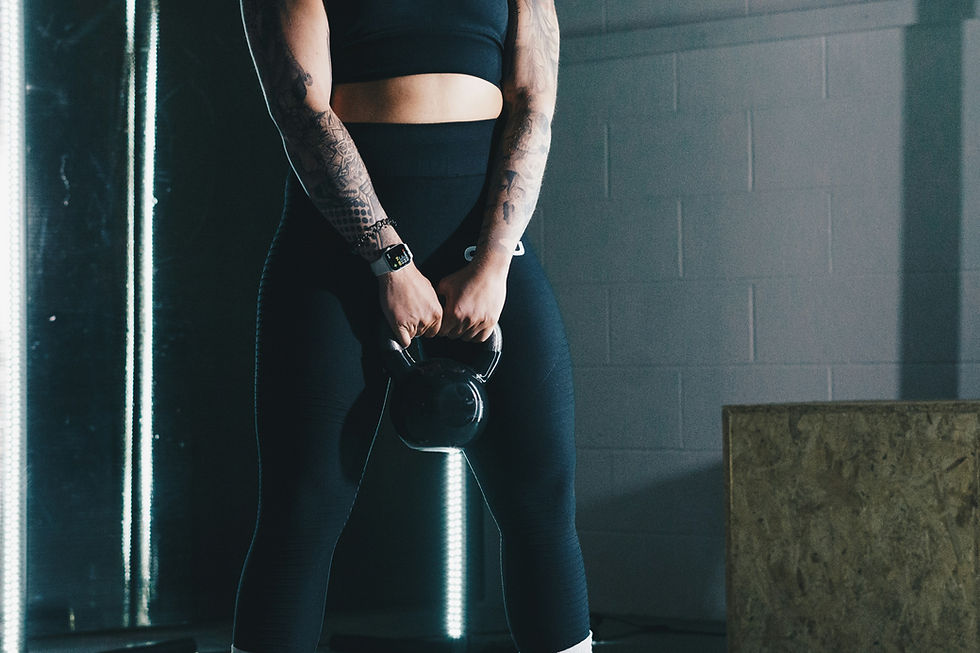
For bone health, heavier resistance can be useful when appropriate. Bones respond to load. That said, people with osteoporosis or fracture history need individualized guidance. Certain loaded spinal flexion movements, high-impact jumps, or twisting exercises may not be safe for everyone. A physical therapist or qualified trainer with experience in osteoporosis can help modify movements.
Joint pain also changes the plan, not the goal. A painful knee may not tolerate deep lunges, but it may tolerate a box squat, step-up, leg press, or glute bridge. Shoulder pain may require swapping overhead presses for incline presses or landmine presses. Pain is information. It should guide exercise selection, not end the strength plan entirely.
Good strength training during menopause is not about chasing exhaustion. It is about teaching the body to keep muscle.
Cardio works best when it has a purpose
Cardio supports fat loss, heart health, energy, blood pressure, insulin sensitivity, and mood. The mistake is using cardio as punishment for eating or as the only tool for weight loss.
There are three main cardio categories to consider during menopause.
Low-impact cardio builds consistency
Low-impact cardio includes brisk walking, cycling, swimming, rowing, elliptical training, and water aerobics. These are joint-friendly and easier to recover from than running or jumping.
Brisk walking is especially useful because it is accessible and repeatable. A 30-minute walk after dinner can support digestion, lower stress, and add meaningful weekly movement. Walking after meals may also help with blood sugar control, which can matter more during midlife.
Low-impact cardio is a strong choice when sleep is poor, joints ache, hot flashes are frequent, or stress is high. It builds capacity without draining the system.
High-impact cardio may support bone, but it is not for everyone
High-impact activity includes running, jumping, plyometrics, and some sports. These movements place greater force through bones, which may stimulate bone maintenance in people who can tolerate them.
The caution is important. High-impact exercise is not automatically better. It can aggravate knees, hips, feet, pelvic floor symptoms, or back pain. It may also be unsafe for some people with osteoporosis or high fracture risk.
A safer path is to earn impact gradually. For example:
Start with brisk walking and strength training
Add hill walking or stair climbing
Try short intervals of faster walking
Add low jumps only if joints, pelvic floor, and balance tolerate them
Use professional guidance if bone density is low
Impact should feel springy and controlled, not jarring.
HIIT can help, but more is not better
High-intensity interval training, often called HIIT, alternates short bursts of hard effort with easier recovery. Research suggests HIIT can improve cardiovascular fitness and insulin sensitivity in less total time than longer moderate sessions.
For menopause, the dose matters. One or two HIIT sessions per week is enough for many people. Too much high-intensity work can raise fatigue, worsen sleep, increase cravings, and make strength training suffer.
A simple low-impact HIIT session on a bike might look like this:
Warm up for 5 minutes at an easy pace.
Ride hard for 30 seconds.
Ride easy for 90 seconds.
Repeat 6 to 8 rounds.
Cool down for 5 minutes.
That session is short, but it should feel challenging. A person should not need to do HIIT every day to see benefit.
For general health, the CDC baseline of 150 weekly minutes of moderate-intensity aerobic activity is a practical target. That can be split into 30 minutes, 5 days per week, or shorter sessions across the day. For weight management, some people need more total movement, but the increase should not crowd out strength and recovery.
A balanced week often includes:
2 to 4 days of strength training
2 to 4 days of moderate cardio
1 to 2 short interval sessions, if recovery is good
1 to 2 recovery-focused sessions such as yoga, Pilates, or mobility
Cardio should leave the body better over time. If it causes constant soreness, poor sleep, or dread, the plan needs adjustment.
Nutrition should support muscle instead of starving it
Exercise cannot do its job if the body lacks the building blocks for repair. During menopause, aggressive calorie restriction can backfire. It may reduce energy intake enough to cause short-term weight loss, but it can also lower training quality, increase muscle loss, worsen cravings, and make weight regain more likely.
A better strategy is moderate, steady nutrition that supports lean mass.
Protein deserves special attention. With age, muscles become less responsive to smaller protein doses. This does not mean everyone needs extreme protein intake, but it does mean that a little protein scattered randomly through the day may not be enough.
Many sports nutrition and aging experts recommend distributing protein across meals. A practical pattern is to include a protein-rich food at breakfast, lunch, and dinner.
Good options include:
Eggs or egg whites
Greek yogurt or cottage cheese
Fish and seafood
Chicken, turkey, or lean meat
Tofu, tempeh, edamame, or soy milk
Beans and lentils paired with other protein sources
Protein powder when whole-food options are not convenient
For example, breakfast could be Greek yogurt with berries, chia seeds, and walnuts. Lunch could be a grain bowl with salmon or tofu, vegetables, avocado, and quinoa. Dinner could include chicken, beans, or tempeh with roasted vegetables and potatoes.
Carbohydrates should not be treated as the enemy. Strength training and cardio both use carbohydrate as fuel. The quality and timing matter. Oats, potatoes, fruit, beans, brown rice, and whole-grain breads can support workouts and recovery. Highly processed snacks can still fit occasionally, but they should not crowd out nutrient-dense foods.
Fats also matter. Olive oil, avocado, nuts, seeds, and fatty fish can support heart health and help meals feel satisfying. This becomes especially relevant because cardiovascular health deserves more attention after menopause.

The most effective nutrition pattern is usually simple:
Build each meal around protein
Add high-fiber carbohydrates
Include colorful vegetables or fruit
Use satisfying fat in moderate amounts
Limit alcohol, sugary drinks, and ultra-processed snacks
Stay hydrated, especially around workouts and hot flashes
Extreme fasting needs caution. Some people enjoy time-restricted eating and feel good with it. Others notice poor sleep, low workout energy, irritability, or overeating later in the day. During menopause, long fasting windows can become a problem if they make it harder to eat enough protein or recover from resistance training.
Alcohol also deserves a clear mention. It can worsen sleep, hot flashes, mood, and calorie control for some people. Cutting back often improves recovery faster than adding another workout.
A useful test is to ask whether the current eating pattern makes training better. If workouts feel weaker, soreness lasts too long, and hunger feels intense at night, the body may need more fuel, better protein distribution, or less restriction.
Menopause Weight Loss Made Easier with Strength Training, Cardio, and Better Recovery is not a promise that body changes become effortless. It is a reminder that the plan should match the biology of this stage. Muscle, bone, sleep, and stress are part of the weight conversation.
Recovery is part of the plan, not a reward
Midlife weight gain is often blamed only on food or exercise. Stress and sleep deserve equal attention.
When stress stays high, the body produces more cortisol. Cortisol is not bad by itself. It helps the body wake up, respond to challenges, and regulate energy. The problem is chronic elevation, especially when paired with poor sleep, under-eating, too much high-intensity exercise, or emotional strain.
Poor sleep can increase hunger and make high-calorie foods more appealing. It can also reduce pain tolerance and make workouts feel harder. This creates a loop. Less sleep leads to less movement, more cravings, and more stress, which then makes sleep worse.
Recovery practices help break that loop.
Yoga, Pilates, Tai Chi, breathwork, mobility training, stretching, and easy walking can all support recovery. They also improve posture, balance, flexibility, and body awareness. These qualities reduce injury risk and make strength training more effective.
Pilates can be especially helpful for trunk control, hip stability, and pelvic awareness. Yoga can support flexibility and downshift the nervous system. Tai Chi has evidence for improving balance and may reduce fall risk in older adults.
Recovery does not have to be long. Ten minutes can help if it is consistent.
A simple evening routine might include:
Five minutes of slow nasal breathing.
A hip flexor stretch on each side.
A gentle hamstring stretch.
Cat-cow movements for the spine.
Legs elevated on a couch or wall for a few minutes.
Sleep hygiene basics still matter. Keep the bedroom cool, limit alcohol, reduce late caffeine, dim lights near bedtime, and keep a regular wake time when possible. Hot flashes, night sweats, anxiety, and insomnia may also need medical support. Menopause hormone therapy and non-hormonal treatments can help some people, but those decisions belong with a licensed clinician who can review personal risks and benefits.
Recovery also means planning easier weeks. The body does not improve during the workout itself. It improves after the workout, when it repairs and adapts. If every week gets harder, fatigue piles up.
A helpful rhythm is to train hard for 3 to 5 weeks, then take a lighter week. A lighter week might reduce weight, sets, or high-intensity cardio. This is common in strength and endurance training because adaptation requires both stress and recovery.

A balanced weekly plan makes weight maintenance more realistic
The best menopause fitness plan is the one that can be repeated. Consistency beats intensity that lasts two weeks.
Here is a sample plan for someone who wants fat loss, strength, and better recovery without overtraining:
Day | Plan | Goal |
Monday | Full-body strength, 45 minutes | Build muscle and bone strength |
Tuesday | Brisk walk, 30 to 45 minutes | Support heart health and stress relief |
Wednesday | Pilates or yoga, 30 minutes | Improve mobility and core control |
Thursday | Full-body strength, 45 minutes | Practice progressive overload |
Friday | Low-impact intervals, 20 minutes | Improve fitness without long cardio |
Saturday | Longer walk, swim, bike ride, or hike | Add enjoyable movement |
Sunday | Rest or gentle stretching | Recover for the next week |
A beginner can shorten this plan. Two strength days, two walks, and one recovery session is a strong start. Someone with more experience might add a third strength day or a longer cardio session.
The plan should also reflect personal preferences. At-home workouts are convenient and reduce barriers. Gym workouts can offer heavier weights, machines, and more variety. Both can work.
At-home strength tools that help:
Adjustable dumbbells or a few pairs of fixed dumbbells
Long resistance bands and mini bands
A sturdy bench or chair
A yoga mat
A step or low box
Gym tools that help:
Leg press
Cable machine
Lat pull-down
Seated row
Chest press
Dumbbells
Smith machine or squat rack when skill allows
Joint pain, pelvic floor symptoms, and osteoporosis risk should shape exercise choice. For example, a person with knee pain might use cycling instead of running and choose box squats instead of jump squats. A person with osteoporosis may need to avoid loaded spinal rounding and high-risk twisting. A person with hot flashes may prefer shorter sessions, cooler rooms, fans, and breathable clothing.
Tracking helps, but it should be simple. Good markers include:
Weight lifted for key exercises
Walking pace or distance
Waist measurement
Energy level
Sleep quality
Resting heart rate if available
How clothes fit
Pain and soreness patterns
The scale can stay, but it should not be the only scorecard. Strength gains, better sleep, fewer cravings, and improved mood are meaningful signs that the plan is working.
A sustainable target is steady progress, not rapid loss. If fat loss is the goal, a modest calorie deficit paired with strength training and protein is usually safer for muscle than a severe diet. If weight maintenance is the goal, the same habits apply, but food intake may be slightly higher.
Before building a plan, three questions can make the advice more precise:
What does the current fitness routine look like right now?
Are there joint issues, pelvic floor symptoms, osteoporosis, heart concerns, or other medical conditions to account for?
Are at-home workouts, gym-based workouts, or a mix more realistic?
Menopause weight loss does not require extreme diets or exhausting workouts. A sustainable approach combines strength training, purposeful cardio, nourishing meals, quality sleep, and enough recovery time.
The goal is not simply to weigh less. It is to feel stronger, protect muscle and bone health, support your energy, and build habits that work with your changing body. Start with small, consistent steps and adjust your routine as needed.
What has helped you feel stronger and more energized during menopause? Share your favorite workout, recovery habit, or nutrition tip in the comments—and explore more fitness and wellness articles for practical ways to support your health.


Comments