


Healthy and Easy Simple Gluten-Free Recipes for Every Day

Eating gluten-free doesn’t have to be complicated or boring. In fact, I’ve found that some of the best meals are naturally gluten-free and super easy to whip up in your kitchen. The misconception that gluten-free meals lack flavor or creativity is far from the truth. With a little inspiration and the right ingredients, you can create a variety of dishes that are not only satisfying but also bursting with taste.
When I was first diagnosed with Celiac disease in 2005, I felt completely lost. I had no idea where to start and thought I was doomed to eat bland, boring meals for the rest of my life. It took me about a year of trial and error to figure things out, but along the way, I discovered a whole world of delicious foods and creative recipes. Now, I see gluten-free cooking as an opportunity to explore new flavors and ingredients, and I’m excited to share what I’ve learned with others.
Whether you’re new to gluten-free cooking or just looking for fresh ideas to invigorate your meal planning, I’m here to share some simple gluten-free recipes that are both healthy and delicious. These meals are perfect for anyone who wants to enjoy food without the fuss, and they’ll keep you feeling great too.
Let’s dive into some tasty options that you can make quickly, with ingredients you probably already have in your kitchen. I’ll also share tips to make your gluten-free cooking journey smooth and enjoyable.

Simple Gluten-Free Recipes You Can Make Today
Starting with simple gluten-free recipes is a great way to build confidence in the kitchen. For those new to gluten-free cooking or those who may feel intimidated by the prospect of changing their dietary habits, beginning with uncomplicated recipes can ease the transition. These recipes often require minimal ingredients and straightforward techniques, making them accessible for cooks of all skill levels. Not only do they help in developing essential cooking skills, but they also allow individuals to explore the world of gluten-free cuisine without feeling overwhelmed.
Here are a few ideas that are straightforward and don’t require fancy ingredients:
Gluten-Free Pancakes
A delightful breakfast option, gluten-free pancakes can be made using simple ingredients like gluten-free flour, eggs, milk (or a dairy-free alternative), and a pinch of salt. Mixing these ingredients together to create a smooth batter is easy, and cooking them on a skillet requires just a few minutes. You can enhance the flavor by adding vanilla extract or cinnamon, and top them with fresh fruits or maple syrup for a delicious start to your day.
Vegetable Stir-Fry
A colorful vegetable stir-fry is not only quick to prepare but also allows for creativity with whatever vegetables you have on hand. Use a combination of bell peppers, broccoli, carrots, and snap peas, sautéing them in a bit of olive oil or sesame oil. For seasoning, a splash of gluten-free soy sauce or tamari can elevate the dish. Serve it over rice or quinoa for a wholesome meal that is both nutritious and satisfying.
Quinoa Salad
Quinoa is a fantastic gluten-free grain that is packed with protein and fiber. To make a refreshing quinoa salad, simply cook the quinoa according to package instructions, then mix it with diced cucumbers, cherry tomatoes, and parsley. A dressing made from olive oil, lemon juice, salt, and pepper brings all the flavors together. This dish can be served as a side or as a light main course, and it’s perfect for meal prep as it keeps well in the refrigerator.
Baked Chicken Thighs
Baked chicken thighs are a simple yet flavorful dish that requires minimal effort. Season the thighs with olive oil, garlic, rosemary, salt, and pepper, then bake them in the oven until they are golden and cooked through. This dish pairs well with roasted vegetables or a simple side salad, making it a versatile option for dinner. The leftovers can also be shredded and used in wraps or salads for lunch the next day.
Smoothies
Smoothies are an excellent way to incorporate fruits and vegetables into your diet while keeping things gluten-free. Blend together a banana, a handful of spinach, some frozen berries, and a cup of almond milk for a nutritious drink. You can also add ingredients like chia seeds or nut butter for an extra boost of nutrients. Smoothies are quick to prepare and can be customized to suit your taste preferences, making them a fantastic option for breakfast or a snack.
By starting with these simple gluten-free recipes, you can gain confidence in your cooking abilities while enjoying delicious and healthy meals. As you become more comfortable in the kitchen, you can gradually experiment with more complex recipes and a wider variety of gluten-free ingredients, expanding your culinary repertoire and enhancing your overall cooking experience.
These recipes are not only easy but also flexible. You can swap ingredients based on what you have or what you like. The key is to keep it simple and fresh.

Tips for Making Gluten-Free Cooking Easy and Fun
Cooking gluten-free doesn’t mean you have to give up on flavor or variety. In fact, it opens up a whole new world of ingredients and culinary creativity that can enhance your meals in delightful ways. Here are some tips that have helped me enjoy my meals and keep things interesting:
Read Labels Carefully
Gluten can often be hidden in sauces, dressings, and processed foods, posing a risk for those with gluten sensitivity or celiac disease. Sauces like soy, teriyaki, and some barbecue sauces may contain gluten due to wheat-based ingredients.
Salad dressings can also hide gluten, with some containing malt vinegar or wheat-derived modified food starch. Checking ingredient lists carefully is essential.
Processed foods are another risk, as gluten may be used as a thickener or flavor enhancer in soups, snacks, and deli meats. It's crucial to check labels before purchasing.
To avoid gluten, look for products labeled as gluten-free, which meet FDA guidelines. Familiarizing oneself with gluten-free brands can simplify shopping and meal planning, ensuring a varied diet while managing gluten intake.
Explore Diverse Grains and Flours
One of the most exciting aspects of gluten-free cooking is the opportunity to experiment with a variety of grains and flours that you may not have used before. Options such as quinoa, brown rice, buckwheat, and millet can serve as excellent bases for your dishes. Additionally, gluten-free flours like almond flour, coconut flour, and chickpea flour can add unique flavors and textures to your baked goods. Each of these alternatives brings its own nutritional benefits and can be used in various recipes, from pancakes to bread and beyond.
Focus on Whole Foods
Fruits, vegetables, lean proteins, nuts, and seeds are naturally gluten-free, making them ideal for a gluten-free diet. These foods offer diverse flavors, textures, and essential nutrients crucial for health.
Fruits
Fruits are rich in vitamins, minerals, and antioxidants, with options like vitamin C-packed berries and sweet tropical fruits. They can be enjoyed fresh, in smoothies, or as salad additions. Dried fruits serve as snacks or sweeteners.
Vegetables
Vegetables are versatile and can be steamed, roasted, grilled, or sautéed. Leafy greens provide iron and calcium, cruciferous veggies offer fiber, and root vegetables add sweetness to dishes like soups and stir-fries.
Lean Proteins
Lean proteins include skinless poultry, fish, lean meats, and plant-based options like lentils and quinoa. Eggs are versatile protein sources, suitable for various preparations.
Nuts and Seeds
Nuts and seeds offer healthy fats, protein, and fiber. Almonds, walnuts, chia seeds, and flaxseeds can enhance salads, yogurt, and smoothies or be used in gluten-free baking. They are excellent snacks for sustained energy.
Building Meals
Creating meals with these gluten-free ingredients promotes healthy eating. Focus on whole foods for balanced, nutrient-rich meals. For instance, a salad with greens, tomatoes, cucumbers, and grilled chicken, topped with nuts and vinaigrette, or a vegetable stir-fry with lean protein over quinoa or brown rice.
Embrace Fresh Herbs and Spices
Flavor is key in gluten-free cooking, and one of the best ways to elevate your dishes is by incorporating fresh herbs and spices. Herbs like basil, cilantro, parsley, and thyme can add brightness and freshness, while spices such as cumin, paprika, and turmeric can introduce warmth and depth. Don’t hesitate to experiment with different combinations to find what excites your palate. Creating your own spice blends can also be a fun way to personalize your meals.
Get Creative with Vegetables
Vegetables can be the stars of your gluten-free meals, offering both nutrition and flavor. Try roasting, grilling, or sautéing a variety of seasonal vegetables to bring out their natural sweetness. You can also spiralize zucchini or carrots for a fun pasta alternative or use cauliflower to make a gluten-free pizza crust. The possibilities are endless when you allow vegetables to take center stage in your cooking.
Incorporate Global Cuisines
Many global cuisines naturally lend themselves to gluten-free cooking, making it easy to explore new flavors. For example, traditional Mexican dishes often use corn tortillas, while Indian cuisine frequently features lentils and rice. Thai cooking relies heavily on rice noodles and fresh ingredients, offering a plethora of gluten-free options. By incorporating recipes from around the world, you can keep your meals exciting and varied.
Experiment with Gluten-Free Substitutes
When it comes to baking or cooking familiar favorites, there are numerous gluten-free substitutes available that can help you recreate beloved dishes without sacrificing taste. For instance, you can use gluten-free pasta for your favorite pasta dishes or gluten-free breadcrumbs for crispy coatings. Many brands offer gluten-free versions of common products, so you can still enjoy the comfort foods you love with a gluten-free twist.
Meal Prep for Success
To maintain variety and flavor throughout the week, consider meal prepping. By preparing a few key ingredients in advance, such as grilled chicken, roasted vegetables, or quinoa, you can mix and match them throughout the week to create different meals. This not only saves time but also allows you to enjoy a range of flavors and textures without feeling overwhelmed.
Don't Forget About Sauces and Dressings
Sauces and dressings can dramatically change the flavor profile of a meal, so be sure to incorporate gluten-free options. Homemade sauces can be a great way to control the ingredients and ensure they align with your dietary needs. From zesty vinaigrettes to rich marinades, these additions can elevate even the simplest of dishes, making them more enjoyable and satisfying.
Stay Informed and Inspired
Finally, one of the best ways to keep your gluten-free cooking exciting is to stay informed and inspired. Follow gluten-free food bloggers, join online communities, or subscribe to cooking magazines that focus on gluten-free recipes. Sharing ideas and experiences with others can spark creativity and introduce you to new cooking techniques and ingredients that you might not have considered before.
By embracing these strategies, you can ensure that your gluten-free cooking journey is not only delicious but also full of variety and excitement. With a little creativity and an open mind, you can enjoy a wide range of flavors and textures that will make every meal an enjoyable experience.
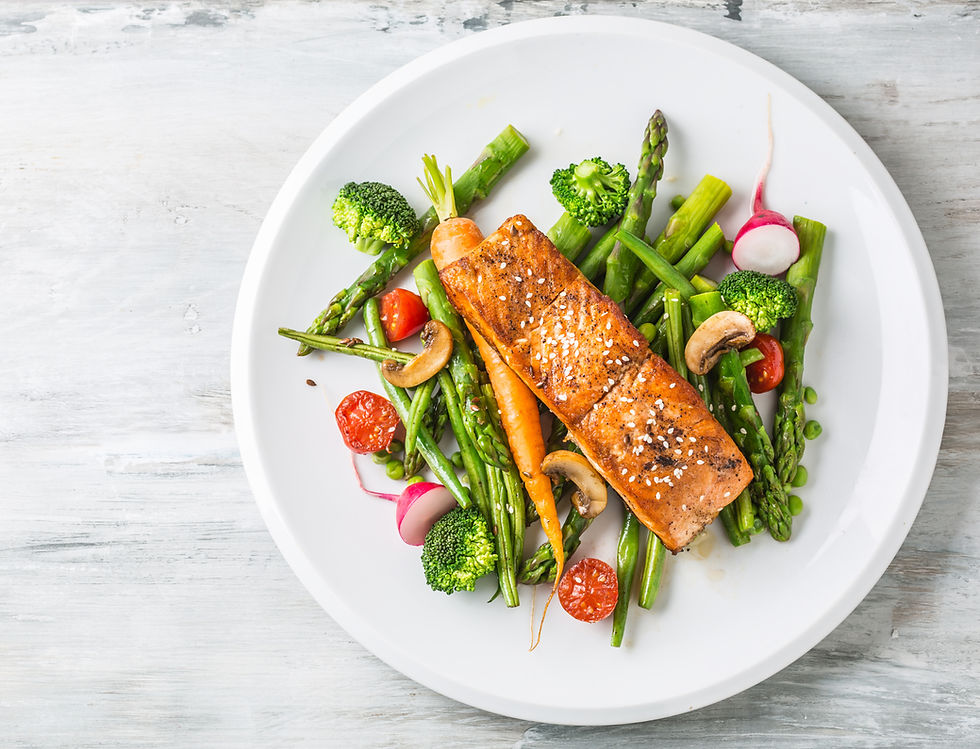
What are some healthy gluten-free meals?
When it comes to healthy gluten-free meals, the options are indeed endless, offering a diverse range of ingredients and flavors that cater to various tastes and dietary needs. The beauty of gluten-free cooking lies in its ability to incorporate a wide variety of whole foods, such as fruits, vegetables, lean proteins, and gluten-free grains, ensuring that meals are not only nutritious but also delicious and satisfying. Here are some favorites that are both nutritious and satisfying, each providing a unique combination of flavors, textures, and health benefits:
Quinoa Salad with Roasted Vegetables
Quinoa, often hailed as a superfood, is a complete protein that contains all nine essential amino acids. When combined with a colorful array of roasted vegetables such as bell peppers, zucchini, and carrots, this salad becomes a vibrant and hearty option. Tossing in some fresh herbs like parsley or cilantro and a light lemon vinaigrette elevates the flavors, making it a refreshing meal that can be enjoyed warm or cold. Not only is this dish gluten-free, but it is also packed with vitamins, minerals, and fiber, promoting overall health and well-being.
Zucchini Noodles with Pesto
Zucchini noodles, also known as "zoodles," are a fantastic gluten-free alternative to traditional pasta. They are low in calories and carbohydrates while being high in vitamins A and C. Tossing zoodles with a homemade basil pesto, made from fresh basil, garlic, pine nuts, and olive oil, creates a rich and flavorful dish. Adding grilled chicken or chickpeas can enhance the protein content, making it a fulfilling meal. This dish is not only visually appealing but also offers a delightful taste experience that satisfies pasta cravings without the gluten.
Chickpea and Spinach Curry
Chickpeas are a versatile and protein-rich legume that serves as the foundation for many gluten-free meals. A chickpea and spinach curry combines the earthy flavors of chickpeas with the vibrant greens of spinach, simmered in a fragrant sauce made from coconut milk, tomatoes, and an array of spices such as cumin, turmeric, and coriander. This dish is not only comforting and hearty but also provides a wealth of nutrients, including iron and fiber. Serve it over a bed of brown rice or quinoa for a complete meal that is both satisfying and nourishing.
Sweet Potato and Black Bean Tacos
Sweet potatoes are a nutrient-dense root vegetable that adds natural sweetness and a creamy texture to dishes. When roasted and combined with black beans, they make a delicious filling for gluten-free tacos. Serve these in corn tortillas and top with avocado, salsa, and a sprinkle of lime juice for a burst of flavor. This meal is rich in antioxidants, fiber, and protein, making it a well-rounded option for lunch or dinner. The combination of sweet and savory flavors, along with the crunch of fresh toppings, creates a satisfying culinary experience.
Smoothie Bowl with Fresh Fruits and Nuts
For a healthy breakfast or snack, a smoothie bowl can be a delightful gluten-free option. Start with a base of blended bananas, spinach, and almond milk for a creamy texture. Pour this vibrant mixture into a bowl and top it with an assortment of fresh fruits like berries, kiwi, and sliced bananas, along with a handful of nuts and seeds for added crunch and nutrition. This meal is packed with vitamins, healthy fats, and antioxidants, making it a perfect way to start the day or refuel after a workout. The visual appeal of a smoothie bowl, with its colorful toppings, makes it an enjoyable and satisfying meal.
In conclusion, the world of gluten-free meals is filled with endless possibilities that cater to a variety of tastes and preferences. By using wholesome ingredients and creative cooking techniques, it is easy to prepare meals that are not only healthy but also incredibly satisfying. Whether you’re looking for a light salad, a hearty curry, or a refreshing smoothie bowl, there is a gluten-free option that can meet your nutritional needs while tantalizing your taste buds.

How to Make Gluten-Free Meals More Exciting
Sometimes, gluten-free meals can feel a bit repetitive, especially if you find yourself relying on the same ingredients and recipes over and over again. The challenge of maintaining a gluten-free diet can often lead to a limited variety of meals, which might make dining feel mundane. However, there are numerous creative and enjoyable ways to infuse excitement into your gluten-free cooking and dining experiences. Here are some fun and innovative ways to spice things up:
Explore Global Cuisines
One effective way to add variety to gluten-free meals is to explore the rich and diverse world of global cuisines. Different cultures offer unique flavors, spices, and cooking techniques that can transform your meals. For example, try your hand at making Thai curries using coconut milk and a variety of vegetables, or indulge in Mexican dishes such as corn tortillas filled with vibrant salsas and fresh ingredients. Each cuisine has its own gluten-free staples, which can help you break the monotony of your usual meals.
Experiment with New Ingredients
Incorporating new ingredients into your cooking can dramatically change the flavor and texture of your meals. Seek out gluten-free grains such as quinoa, millet, or amaranth, which can serve as excellent bases for salads, side dishes, or even main courses. Additionally, explore the use of alternative flours like almond flour, coconut flour, or chickpea flour for baking and cooking. These flours not only provide different tastes but also add nutritional value to your dishes.
Get Creative with Herbs and Spices
Herbs and spices are powerful tools in elevating the flavor profile of any dish. Experiment with fresh herbs like basil, cilantro, or dill to add brightness to your meals. Dried spices such as cumin, smoked paprika, or turmeric can introduce warmth and depth. Consider creating your own spice blends to keep things interesting. For instance, a homemade taco seasoning can be used for various dishes beyond tacos, like roasted vegetables or grilled meats.
Try New Cooking Techniques
Changing the way you cook your meals can also bring a refreshing twist. If you typically bake, try grilling or roasting your vegetables and proteins for a different texture and flavor. Steaming can preserve the nutrients and natural flavors of your ingredients, while stir-frying can create quick, vibrant meals packed with color and taste. You might even explore slow cooking or pressure cooking for convenience and rich flavors.
Incorporate Seasonal Produce
Utilizing seasonal fruits and vegetables not only enhances the freshness of your meals but also introduces variety throughout the year. Visit local farmers' markets or grocery stores to discover what’s in season. Incorporate these ingredients into your meals to create colorful salads, hearty soups, or flavorful stir-fries. Seasonal produce often tastes better and can inspire new recipes and combinations.
Use Gluten-Free Grains
Beyond rice and quinoa, consider adding millet, amaranth, and buckwheat to your diet for their unique flavors and textures.
Millet
Millet is a small, round, gluten-free grain with a mild, nutty flavor. It's versatile, absorbing flavors well, and can be used in grain bowls, soups, or baked goods.
Amaranth
Amaranth is a protein-rich ancient grain, ideal for vegetarians and vegans. It has an earthy flavor and creamy texture, suitable for porridge, salads, or as a thickener. Popped amaranth adds crunch to dishes.
Buckwheat
Buckwheat, a gluten-free seed, is high in antioxidants and nutrients. It has a nutty, earthy flavor and chewy texture. Use it in porridge, pancakes, or as a rice alternative. Toasted groats enhance flavor in salads and soups.
Incorporating these grains diversifies meals and boosts nutritional value, offering creative culinary opportunities beyond rice and quinoa.
Make Your Own Sauces and Dressings
Store-bought sauces and dressings often contain hidden gluten, which can be risky for those with gluten sensitivities or celiac disease, as gluten is used as a thickener or flavor enhancer. Labels can be misleading, complicating safe choices.
Homemade sauces and dressings offer control over ingredients, ensuring they are gluten-free and tailored to dietary needs. You can use high-quality ingredients like fresh herbs and organic vegetables, enhancing flavor and allowing customization to taste preferences.
Making sauces and dressing at home is a rewarding experience that encourages creativity with herbs and spices. You can adjust sweetness, acidity, and saltiness to suit your palate, making meals safer and more enjoyable.
Homemade sauces and dressing can also be economical, as buying ingredients in bulk and making larger batches reduces costs. Storing them provides a ready supply of flavorful additions without hidden gluten or preservatives.
Make Use of Leftovers
Transforming leftovers into new meals can reduce waste and spark creativity. Instead of having the same dish again, think about how you can repurpose it. For instance, leftover roasted chicken can be turned into a gluten-free chicken salad, or yesterday's quinoa can be mixed with fresh vegetables and a zesty dressing for a refreshing salad. This not only saves time but also keeps meals exciting.
By exploring these various methods, you can easily add excitement and diversity to your gluten-free meals, ensuring that you enjoy a wide range of flavors and experiences in your dining routine. Embrace the challenge and let your creativity shine in the kitchen!
Your Next Steps to Enjoying Gluten-Free Cooking
If you’re ready to embrace gluten-free cooking, start small. Pick one or two recipes from this post and give them a try. Keep a list of your favorite meals and build from there. Remember, the goal is to enjoy your food and feel good about what you’re eating.
For more inspiration, check out healthy gluten free meal ideas that can help you plan your week with ease. Cooking gluten-free is not just about restrictions - it’s about discovering new flavors and nourishing your body.
I hope these simple gluten-free recipes inspire you to get creative in the kitchen. Happy cooking!
By Alexandra Ford aims to build a vibrant online community by sharing practical tips and creative inspiration across diverse lifestyle topics, helping readers discover new hobbies and live a more fulfilling, creative life.


Comments