


Discover the Amazing Benefits of Tai Chi for Your Health in Your Forties and Fifties
- Baylin Bruell
- May 20
- 12 min read

As we enter our forties and fifties, the importance of maintaining both physical and mental health becomes an increasingly crucial priority for many individuals. This period of life often brings about various changes, including shifts in metabolism, muscle mass, and overall energy levels. Consequently, many people seek gentle yet effective ways to stay active, reduce stress, and improve their balance and coordination. One such practice that has gained popularity for its holistic benefits is Tai Chi.
Tai Chi is a traditional Chinese martial art characterized by its slow, flowing movements that are often described as a form of moving meditation. This practice emphasizes mindful breathing, which is integral to enhancing both physical and mental well-being. The gentle nature of Tai Chi makes it accessible to individuals of all fitness levels, including those who may be recovering from injuries or surgeries. The movements are designed to promote relaxation and mindfulness, allowing practitioners to connect with their bodies and cultivate a sense of inner peace and tranquility.

How Tai Chi Supports Physical Health in Your Forties and Fifties
Tai Chi is a form of martial art that is often characterized by its slow, graceful movements and deep focus on breathing and mindfulness. It is a low-impact exercise that is particularly beneficial for individuals of all ages, but it holds special significance for those in their forties and fifties. At this stage in life, many people begin to experience early signs of joint stiffness, muscle weakness, and decreased flexibility, which can impact their overall quality of life.
Enhancing Flexibility
One of the most notable benefits of Tai Chi is its ability to enhance flexibility. The gentle, flowing movements encourage the body to stretch and lengthen, which helps to release tension in the muscles and joints. This is particularly important for individuals who may find that their range of motion is decreasing as they age. Regular practice of Tai Chi can lead to improved joint mobility, allowing individuals to perform daily activities with greater ease and comfort.
Building Strength
In addition to improving flexibility, Tai Chi also plays a crucial role in building strength. The practice involves a series of postures and movements that require the engagement of various muscle groups. Unlike high-impact exercises that can strain the body, Tai Chi promotes muscle development in a safe manner. This is especially beneficial for those in their forties and fifties, as maintaining muscle strength is vital for supporting joint health and preventing injuries. Stronger muscles help stabilize the joints, which can alleviate discomfort and reduce the risk of falls.
Improving Balance
Balance is another critical aspect of physical health that can decline with age. Tai Chi emphasizes slow, deliberate movements that enhance body awareness and coordination. By practicing the various stances and transitions, individuals can significantly improve their balance and stability. This is particularly important for older adults, as improved balance can help prevent falls, which are a common concern in this age group. The focus on mindful movement also helps cultivate a sense of inner calm and control, which can contribute to overall well-being.
For example, a study published in the Journal of Aging and Physical Activity found that adults practicing Tai Chi twice a week for 12 weeks showed significant improvements in leg strength and balance compared to a control group.
Supports cardiovascular health
While gentle, Tai Chi still raises your heart rate slightly, promoting better circulation and heart function.
Low-Impact Nature
The low-impact nature of Tai Chi makes it an ideal exercise option for those who may have existing joint issues or are recovering from injuries. Unlike more vigorous forms of exercise that can exacerbate pain or discomfort, Tai Chi allows individuals to engage in physical activity without placing undue stress on their bodies. This makes it a safe choice for those who are looking to improve their fitness levels while being mindful of their physical limitations.
Conclusion
In summary, Tai Chi is a multifaceted exercise that provides a wealth of benefits, particularly for individuals in their forties and fifties. Its ability to improve flexibility, strength, and balance, combined with its low-impact nature, makes it an ideal choice for those experiencing early signs of joint stiffness or muscle weakness. Additionally, the mental and emotional advantages of practicing Tai Chi contribute to a holistic approach to health and well-being, making it a valuable addition to any fitness regimen. By embracing Tai Chi, individuals can enhance their physical capabilities while nurturing their mental and emotional health, leading to a more fulfilling and active lifestyle.
Mental Health Benefits of Regular Tai Chi Practice
Beyond the physical advantages, Tai Chi also offers significant mental and emotional benefits. The practice incorporates deep breathing and meditation, which can help reduce stress and anxiety. This holistic approach to health is particularly beneficial for individuals in their forties and fifties, as they often face various life challenges, including career pressures and family responsibilities. By integrating mindfulness into their exercise routine, practitioners can cultivate a greater sense of peace and clarity, enhancing their overall emotional resilience.Tai Chi is not just physical exercise; it also nurtures mental well-being. The practice encourages mindfulness and deep breathing, which help calm the nervous system.
Reduces stress and anxiety
Tai Chi, an ancient Chinese martial art, enhances mental and physical well-being through movement, mindfulness, and deep breathing. It reduces cortisol levels, alleviating stress, anxiety, and tension, while improving mood, emotional resilience, and overall well-being. By fostering mindfulness, Tai Chi enhances mental clarity and focus, promoting peace and tranquility. It is an effective tool for stress management, improving both mental and physical health.
Improves focus and mental clarity
Concentrating on precise movements enhances brain function and attention span in several significant ways. When individuals engage in activities that require focused and controlled movements, such as playing a musical instrument, practicing martial arts, or participating in certain sports, they not only improve their physical coordination but also stimulate various cognitive processes within the brain.
Promotes emotional balance
Regular practice can significantly reduce symptoms of depression and improve overall mood, serving as a vital component in the management of mental health. Engaging in consistent physical activity, mindfulness exercises, or creative pursuits can lead to a multitude of positive outcomes for individuals experiencing depressive symptoms.
Supports better sleep
Many practitioners report improved sleep quality after incorporating Tai Chi into their routine. This ancient Chinese martial art, characterized by its slow, deliberate movements and deep focus on breath control, has been observed to have a significant impact on various aspects of physical and mental well-being.
These mental health benefits are especially valuable in your forties and fifties, a time when life’s pressures can increase due to career demands, family responsibilities, and health concerns.

Staying Grounded Through Tai Chi
Feeling grounded means being present and connected to your body and surroundings. Tai Chi’s emphasis on balance and breathwork helps you achieve this state.
Understanding the Concept of Feeling Grounded
Feeling grounded refers to a state of being where an individual experiences a profound sense of presence, awareness, and connection to their own body as well as the environment around them. This state is characterized by a deep awareness of one’s physical sensations, emotions, and thoughts, allowing individuals to navigate their daily lives with clarity and purpose. When one is grounded, distractions and anxieties diminish, leading to a more centered and peaceful existence.
The Role of Tai Chi in Achieving Groundedness
Tai Chi, an ancient Chinese martial art, plays a significant role in cultivating this feeling of groundedness. It emphasizes the importance of balance, fluid movement, and breathwork, which are integral components in fostering a deep connection between the mind and body. The practice involves a series of slow, deliberate movements that require concentration and mindfulness, encouraging practitioners to focus on their physical form and the sensations that arise within it.
Balance: The Foundation of Groundedness
Balance is a crucial element in both physical and emotional well-being. In Tai Chi, practitioners learn to distribute their weight evenly and maintain stability throughout various postures. This focus on balance not only enhances physical coordination but also promotes a sense of inner calm. As individuals become more aware of their body’s position and movements, they develop a greater understanding of how to navigate their physical space, which translates into a heightened sense of security and stability in their emotional and mental states.
Breathwork: Connecting Body and Mind
Breathwork is another vital aspect of Tai Chi that contributes to feeling grounded. The practice encourages deep, intentional breathing, which helps to regulate the nervous system and reduce stress. By synchronizing breath with movement, practitioners cultivate a rhythm that fosters mindfulness and presence. This connection between breath and movement allows individuals to release tension and anxiety, creating a tranquil mental environment where they can fully engage with their surroundings.
Benefits of Feeling Grounded Through Tai Chi
The benefits of achieving a grounded state through Tai Chi extend beyond the practice itself. Individuals often report improved mental clarity, increased emotional resilience, and a greater ability to handle stress. The practice encourages a holistic approach to health, integrating physical, mental, and spiritual well-being. As one becomes more grounded, they may also find that their relationships with others improve, as they are better able to communicate and connect authentically.
Incorporating Groundedness into Daily Life
While Tai Chi offers a structured way to cultivate groundedness, the principles can be applied to everyday life. Simple practices such as mindful walking, deep breathing exercises, and moments of reflection can help maintain this sense of connection and presence throughout the day. By integrating these practices into daily routines, individuals can enhance their overall quality of life, fostering a deeper sense of peace and fulfillment. In conclusion, feeling grounded is an essential aspect of well-being that can be significantly enhanced through the practice of Tai Chi. By focusing on balance and breathwork, individuals can cultivate a state of presence that enriches their physical, emotional, and mental lives. Embracing these practices not only leads to a more centered existence but also promotes a deeper connection with oneself and the world around them.
By practicing Tai Chi, you develop a comprehensive set of tools that enable you to maintain a sense of calm and focus, even in the midst of stressful situations. Tai Chi, often referred to as "meditation in motion," is an ancient Chinese martial art that combines gentle physical exercise with mental discipline and mindfulness. The practice involves a series of slow, flowing movements that are performed with a focus on breathing, posture, and the alignment of the body.
Combining Tai Chi with Physical Therapy After Surgery
Recovering from surgery often requires a comprehensive approach to rebuilding strength and balance, which is crucial in order to avoid setbacks that could hinder the healing process. The journey of recovery can be both physically and emotionally challenging, as patients may face limitations in mobility and strength immediately following their procedures. Therefore, it is essential to adopt a systematic and cautious strategy to regain functionality and confidence in movement.
Low-impact exercise
Tai Chi movements are characterized by their smooth and controlled nature, which plays a crucial role in minimizing the risk of overexertion or injury. This ancient practice, rooted in Chinese martial arts and philosophy, emphasizes a gentle flow of motion, allowing practitioners to engage in physical activity without the jarring impacts often associated with more vigorous forms of exercise.
Improves balance and coordination
This helps prevent falls during recovery, a common concern after surgery. Falls can pose significant risks to patients who are healing from surgical procedures, as their mobility and strength may be compromised. Post-operative patients often experience side effects from anesthesia, pain management medications, and the physical limitations imposed by their surgical site. These factors can lead to dizziness, weakness, or impaired coordination, all of which increase the likelihood of a fall.
Enhances muscle strength gradually
Tai Chi can be adapted to your current ability level, allowing steady progress. This ancient Chinese martial art emphasizes slow, deliberate movements and deep breathing, making it accessible to individuals of all ages and fitness levels. Whether you are a complete beginner or someone with prior experience, Tai Chi offers a unique opportunity to engage in a practice that caters to your personal needs and capabilities.
Supports mental well-being
Recovery from physical injuries, mental health challenges, or stressful life events can be frustrating, often involving impatience, discouragement, and despair. Practices like Tai Chi, with its slow, graceful movements and focus on breathing, can significantly aid recovery by reducing anxiety. Tai Chi not only builds physical strength and flexibility but also fosters inner peace and tranquility, helping individuals shift focus from worries to a more positive mindset. Embracing Tai Chi principles promotes balance, harmony, resilience, and a hopeful outlook, essential for healing.
For example, patients recovering from knee replacement surgery have reported improved mobility and confidence when Tai Chi was included alongside their physical therapy routine.
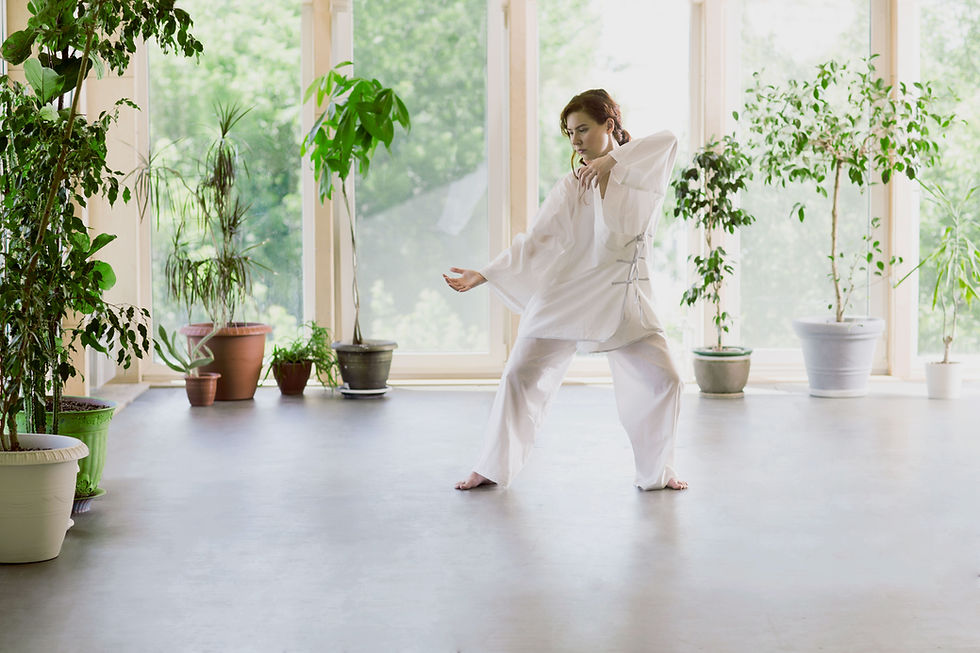
Practical Tips for Starting Tai Chi in Your Forties and Fifties
If you’re new to Tai Chi, here are some tips to get started safely and effectively:
Understand the Basics of Tai Chi
Before jumping into practice, it's essential to familiarize yourself with the fundamental principles of Tai Chi. This ancient Chinese martial art emphasizes slow, deliberate movements, deep breathing, and mental focus. The core philosophy revolves around the concept of balance—both physical and mental. Take some time to learn about the history of Tai Chi and its various styles, such as Yang, Chen, Wu, and Sun, as each offers unique characteristics and benefits.
Choose the Right Class or Instructor
Finding a qualified instructor is crucial for beginners. Look for a local Tai Chi class taught by a certified instructor who has experience in teaching beginners. A good teacher will provide personalized feedback and ensure that you learn the correct postures and techniques. If in-person classes are not an option, consider online resources or videos from reputable Tai Chi practitioners. Many online platforms offer structured courses that guide you through the basics at your own pace.
Wear Comfortable Clothing and Footwear
When practicing Tai Chi, it’s important to wear comfortable, loose-fitting clothing that allows for free movement. Traditional Tai Chi attire is often made from lightweight materials that facilitate airflow and flexibility. Additionally, choose appropriate footwear; flat, soft-soled shoes are ideal as they provide stability and support without restricting your movements. Avoid wearing shoes with heels or excessive cushioning, as they can hinder your balance and posture.
Start with Basic Movements
As a beginner, it’s advisable to start with a few fundamental movements before progressing to more complex forms. Focus on mastering simple postures such as "Commencing Form," "Ward Off," and "Grasp the Bird’s Tail." These foundational movements will help you develop a sense of balance and coordination, which are essential for more advanced forms. Practice these movements slowly and mindfully, paying attention to your body alignment and breathing.
Practice Regularly
Consistency is key to mastering Tai Chi. Aim to practice regularly, even if it’s just for a short period each day. Short, daily sessions can be more effective than infrequent, longer practices. As you become more comfortable with the movements, gradually increase the duration and complexity of your sessions. Regular practice not only enhances your physical skills but also deepens your understanding of the mental and spiritual aspects of Tai Chi.
Focus on Breathing and Mindfulness
Breathing is an integral part of Tai Chi practice. Pay attention to your breath as you move; inhale deeply through your nose and exhale slowly through your mouth. Synchronizing your breath with your movements promotes relaxation and enhances your concentration. Additionally, cultivate a sense of mindfulness during your practice. Focus on the present moment, letting go of distractions and stress. This mental clarity will improve your overall experience and effectiveness in Tai Chi.
Be Patient with Yourself
Tai Chi is a journey that requires patience and persistence. Progress may feel slow at times, but it's important to embrace the learning process. Each session is an opportunity to improve your skills and deepen your understanding. Celebrate small victories along the way, and remember that mastery takes time. Allow yourself the grace to make mistakes and learn from them, as this is a natural part of any new endeavor.
Listen to Your Body
As with any physical activity, it’s crucial to listen to your body and respect its limits. If you experience pain or discomfort while practicing, stop and assess the situation. It may be helpful to adjust your posture or consult with your instructor for guidance. Tai Chi is meant to be a gentle, healing practice, so prioritize your well-being over perfection. If you have any pre-existing health conditions or concerns, consider consulting with a healthcare professional before starting.
Join a Community
Engaging with a community of fellow Tai Chi practitioners can enhance your experience and provide motivation. Look for local clubs, workshops, or online forums where you can connect with others who share your interest in Tai Chi. Participating in group classes can also provide additional support and encouragement, making your practice more enjoyable and enriching.
By following these tips, you can embark on your Tai Chi journey safely and effectively, paving the way for a rewarding experience that nurtures both your body and mind.
Discover the Amazing Benefits of Tai Chi for Your Health in Your Forties and Fifties
This blog explores the holistic benefits of Tai Chi, a gentle martial art that combines slow, flowing movements with mindfulness and deep breathing. Ideal for individuals in their forties and fifties, Tai Chi enhances flexibility, strength, and balance while reducing stress and promoting emotional well-being. It’s a low-impact exercise suitable for all fitness levels, including those recovering from injuries or surgeries.
Key benefits include improved joint mobility, muscle strength, and mental clarity, as well as better sleep and emotional balance. The article also provides practical tips for beginners, such as starting with basic movements, practicing regularly, and focusing on mindfulness. Tai Chi offers a comprehensive approach to physical and mental health, making it a valuable addition to any wellness routine.


Comments