


Building the Perfect Art Bin: The Art of the Portable Capsule Studio

There is a distinct magic in opening a beautifully curated toolkit. Whether it’s an old leather pouch, a vintage wooden box, or a sleek, structured container, a well-organized art bin is a portal to instant inspiration. Too often, we let the friction of a messy, sprawling studio setup stand between us and our creative practice. We tell ourselves we’ll draw when we have hours to spare, a perfectly cleared table, and every single medium laid out in front of us. But the truest, most honest creative growth usually happens in the small, stolen pockets of the day—sketching at the kitchen island while the kettle warms, catching the shifting shadows from a window seat, or capturing a passing moment while traveling.
To break down that creative barrier, I’ve spent time refining what I like to call the "portable capsule studio." By stripping away the clutter of endless color palettes and focusing instead on a tight, high-quality, monochromatic trio—graphite, charcoal, and velvety French pastels—you can build a compact toolkit that handles everything from crisp architectural lines to deep, moody atmospheres.
Building the perfect art bin isn’t just about organizing supplies; it is about organizing your intention. It’s about creating a beautiful, reliable sanctuary for your tools so that the moment the creative urge strikes, you are entirely ready to meet it. Grab a coffee, dump out your old pencil jars, and let’s talk about how to curate a minimalist, sophisticated art kit that makes you instantly want to pull up a chair and draw.

The Vessel: Choosing Your Canvas Container
A perfect art bin requires a balance between structural protection and effortless accessibility. When selecting your container, step away from deep, cavernous bags where supplies get lost or broken, and look for a sleek, multi-compartment utility box or a structured, heavy-canvas tool roll.
The Layout: Opt for a container featuring a hard outer shell to protect delicate pastels and brittle charcoal sticks from cracking during transit . The ideal interior layout utilizes a shallow, two-tiered system: a top tray for immediate access to your pencils and erasers, and a deeper base compartment to lay your pastel cases and blending tools flat.
The Mechanics: The Unsung Heroes of the Bin
While graphite and charcoal get the glory, the ultimate success of a monochromatic sketch relies entirely on the precision tools that manage the pigment. These are the functional mechanics that belong in every curated kit:
The Kneaded Eraser: The absolute MVP of a monochromatic kit. Unlike standard rubber erasers that leave a messy trail of crumbs, a high-quality kneaded eraser can be pulled, sculpted, and molded into a razor-sharp point. It doesn't just erase mistakes; it acts as a subtractive drawing tool, lifting heavy charcoal dust directly off the page to inject brilliant highlights, create smoke effects, or clean up highlights in a portrait.
Paper Blending Stumps (Tortillons): Essential for managing transitions. When working with loose charcoal or velvety French pastels, using your fingers can introduce natural skin oils that permanently smudge the paper grain. Blending stumps allow you to seamlessly smooth out mid-tones, push shadows into the paper's tooth, and create soft, atmospheric mists with absolute control.
A Dual-Hole Metal Sharpener: Precision is non-negotiable for structural layouts. A sturdy, pocket-sized aluminum sharpener with two distinct blade sizes ensures your graphite pencils maintain a crisp point without snapping the internal lead.
Drafting or Artist Tape: A roll of low-tack, acid-free drafting tape is a secret weapon. Use it to cleanly pin your paper down to your sketchbook back or a clipboard while working outdoors. It protects your sheets from shifting in the wind and leaves a crisp, professional white border around your finished piece when peeled away.
Here is the detailed breakdown for the Material Spotlight section, meticulously curating a high-end capsule collection of core mediums that deliver ultimate range and atmospheric depth.
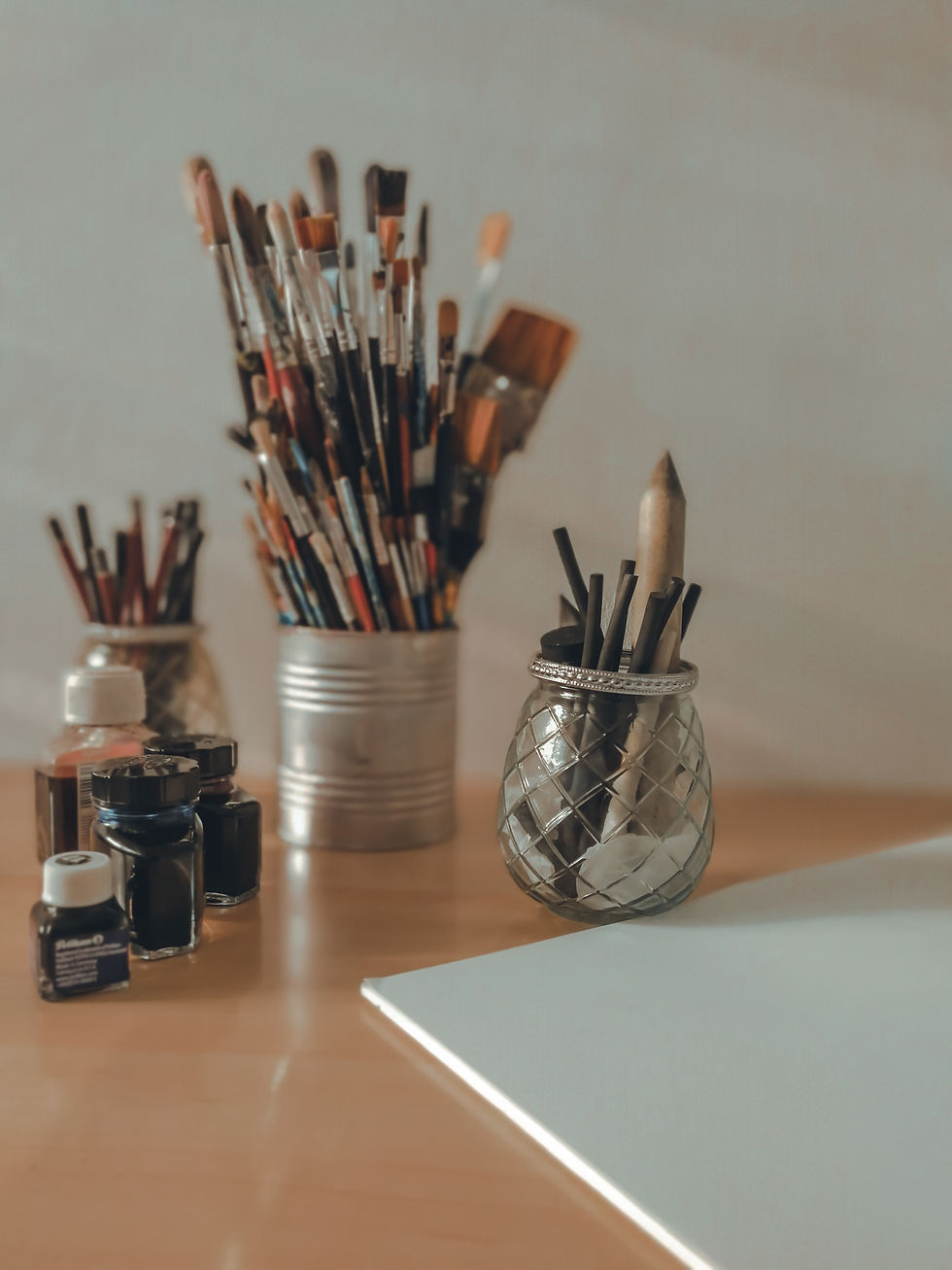
The Material Spotlight: Curating the Core Mediums
To build a portable studio that can handle everything from sharp architectural details to deep, misty landscapes, you don’t need a massive collection of supplies. You just need a highly intentional selection of core tools. By limiting your monochromatic palette to a premium mix of graphite, charcoal, and neutral French pastels, you gain full control over value, depth, and contrast.
1. The Graphite Grades: Precision & Structure
Graphite is the starting point of every piece—it provides the structural scaffolding before you lay down heavy pigment. Your bin should contain three distinct grades to handle layout and fine rendering:
2H (Hard): The ultimate layout pencil. It leaves a faint, crisp, light-gray line that doesn't smudge easily. Use this to lightly block in your proportions, horizons, and basic structural forms.
HB (Medium): The universal standard. It perfectly bridges the gap between light sketching and deep values, making it ideal for defining mid-tone outlines and refining shapes.
4B or 6B (Soft/Dark): A velvety, rich graphite. The softer lead flows effortlessly onto the page, allowing you to quickly block in initial shadows and crisp, dark details that demand sharp contrast.
2. The Charcoal Varieties: Mood & Dramatic Contrast
Charcoal is where the true atmosphere of a monochromatic drawing lives. It brings a raw, expressive, and matte finish to the page. Pack two distinct varieties to balance fluid movement with structural depth:
Vine or Willow Charcoal: Extremely lightweight and fragile. This natural charcoal glides smoothly across the paper and lifts away with a simple swipe of a cloth or kneaded eraser. It is perfect for loose, sweeping gesture lines, blocking out large mass shadows, and creating soft, blended background textures.
Compressed Charcoal (Medium or Dark): Powdered charcoal bound into a solid, heavy stick. This tool delivers a striking, unvarnished midnight-black value. Use it with intention to ground your piece—punching in the absolute darkest shadows to anchor your composition and create instant, dramatic depth.
3. The Pastels: Atmosphere & Velvety Light
To elevate your drawing into an atmospheric masterclass, round out your bin with a highly curated, compact selection of soft pastels. Stepping away from brilliant colors forces you to focus entirely on light and air using a tight, neutral spectrum:
The Palette: Limit your pastel selection to a mini-set of Titanium White, Warm Cream, Cool Gray, and Slate.
The Action: Adding soft pastels to a graphite and charcoal drawing allows you to introduce a completely different texture to the page. While any high-quality soft pastel will help you sweep light across a landscape, traditional French pastels are the gold standard for this technique. Known for their incredibly high pigment load and a legendary, buttery-soft texture, a quick stroke of a French pastel softens hard charcoal edges seamlessly. A final, crisp pop of a brilliant white pastel creates striking highlights, catchlights, and a beautiful sense of luminous morning mist.
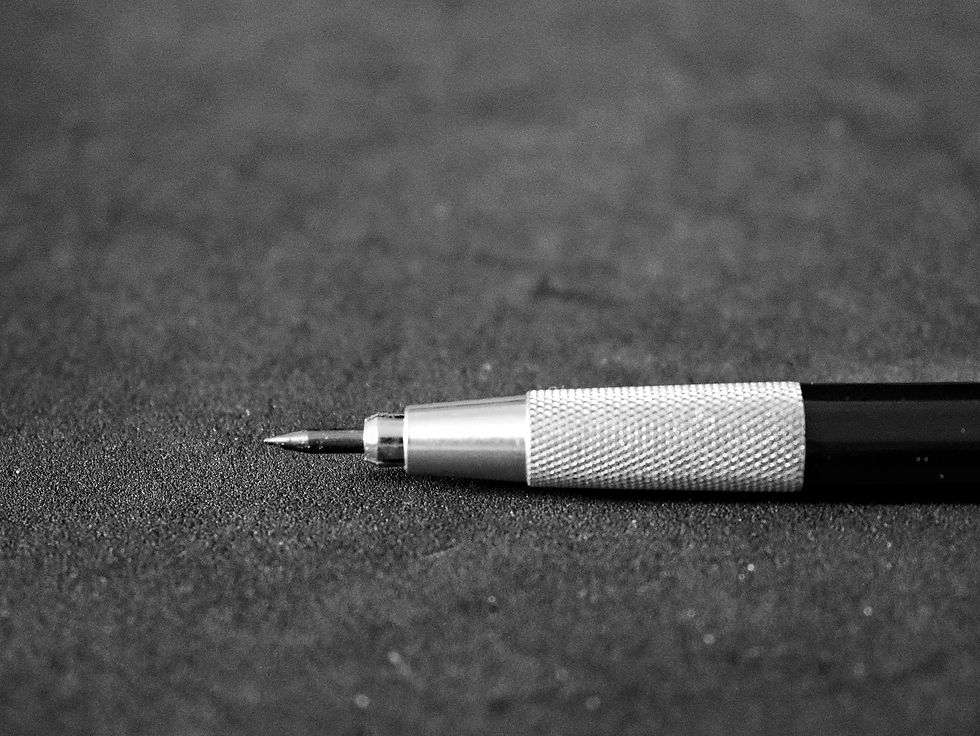
The Sanctuary on the Move: Reclaiming Your Creative Ritual
Ultimately, curating the perfect art bin is about far more than just neatly compartmentalizing graphite pencils, vine charcoal, and soft pastels; it is an act of reclamation for your creative life. By stripping away the visual noise of an oversized, cluttered studio and deliberately selecting a high-quality, monochromatic capsule toolkit, you eliminate the friction that so often stands between your inspiration and a blank page. You change the narrative from needing a perfect, sprawling block of time to recognizing that a meaningful artistic practice can thrive anywhere—on a moving train, a quiet park bench, or right at your own kitchen counter.
Your art bin is a reliable, beautifully organized sanctuary for your intentions. When you open that hard-shelled, two-tiered box, you aren’t just accessing premium materials; you are stepping into a ritual that honors your creative voice. Long after the sketch is finished and the charcoal dust is wiped away, it is the habit of pausing to observe the world that stays with you. So, snap the latches shut on your curated kit, slip it into your bag, and move through your week knowing that the moment inspiration strikes, you are entirely ready to meet it.


Comments